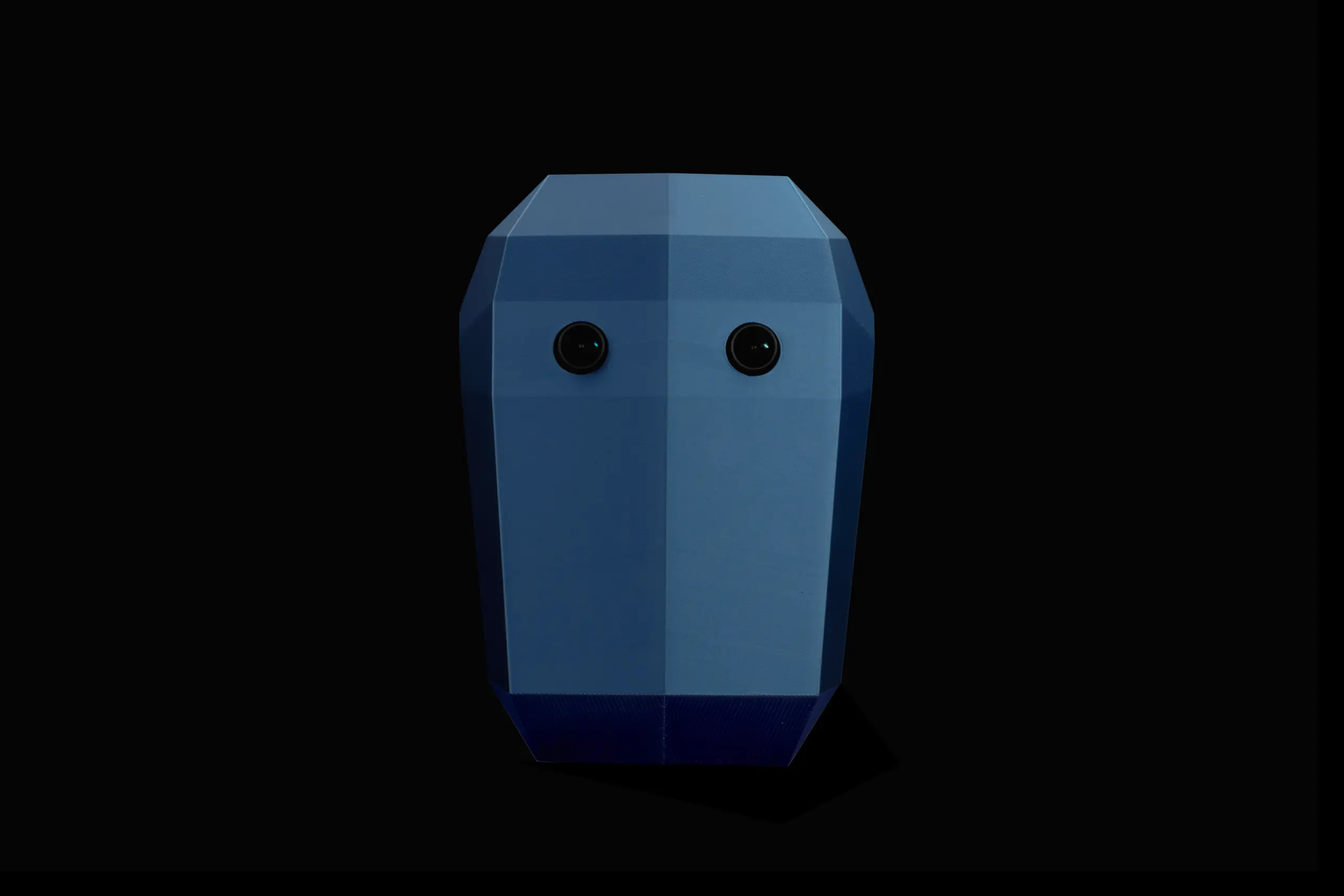
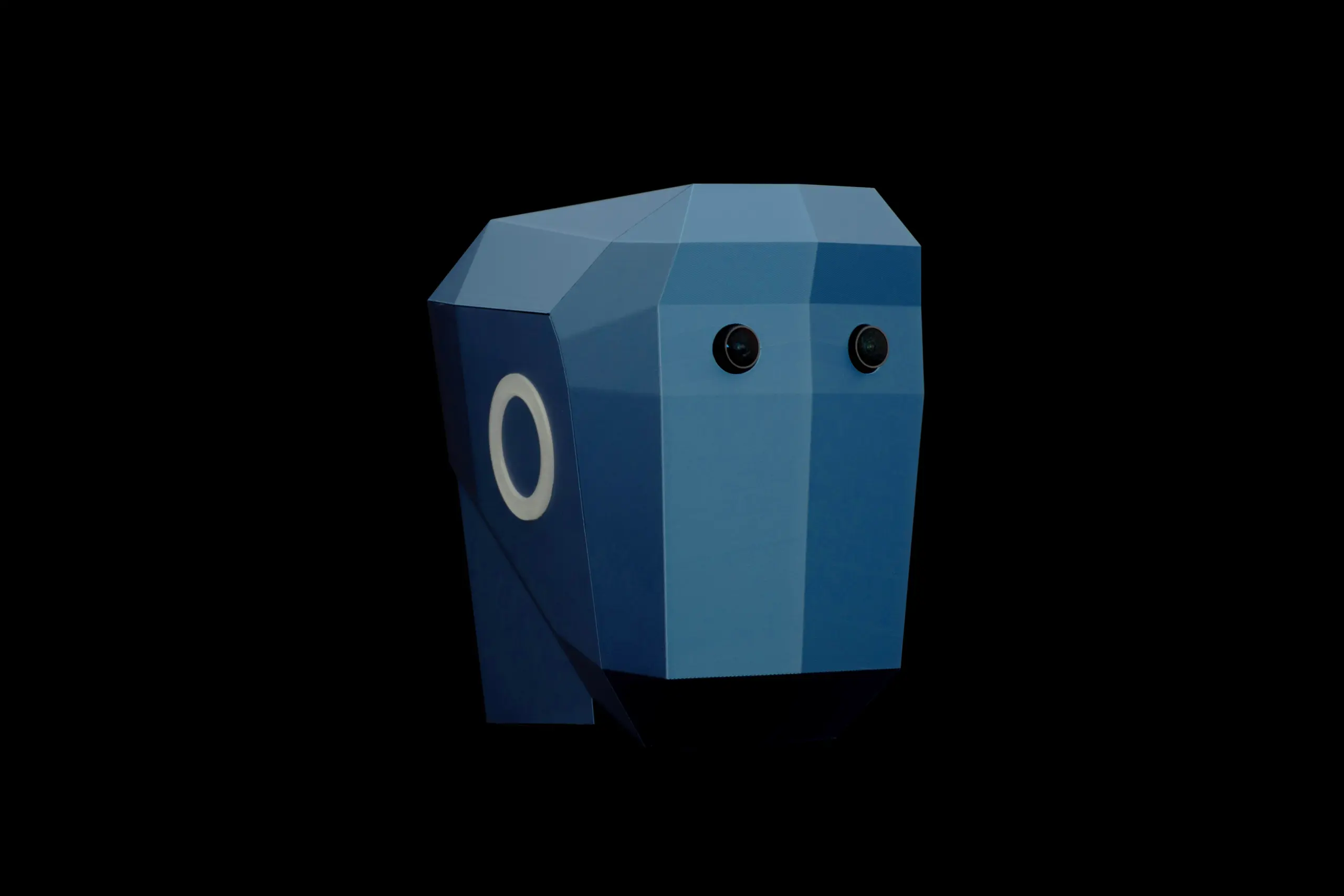
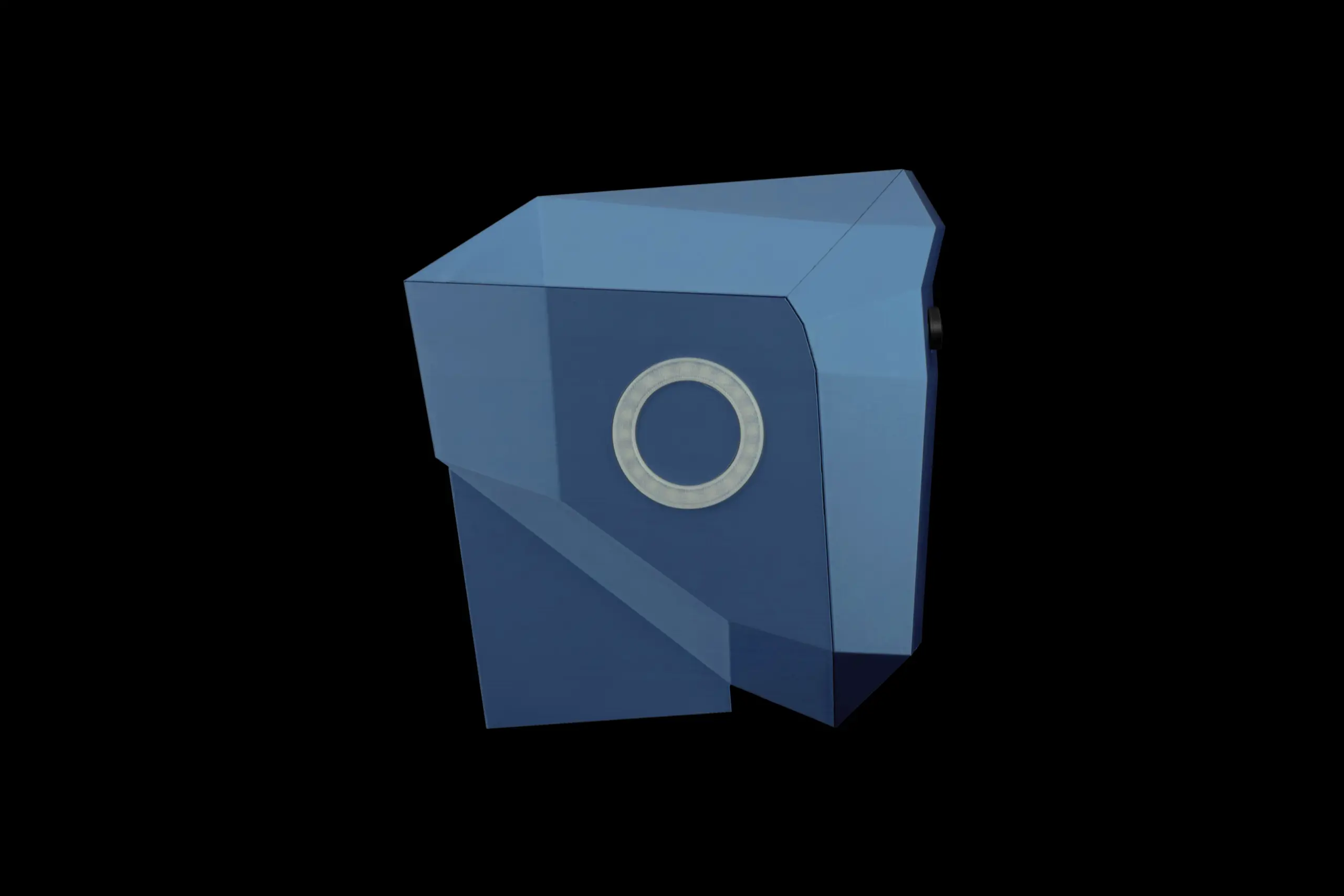
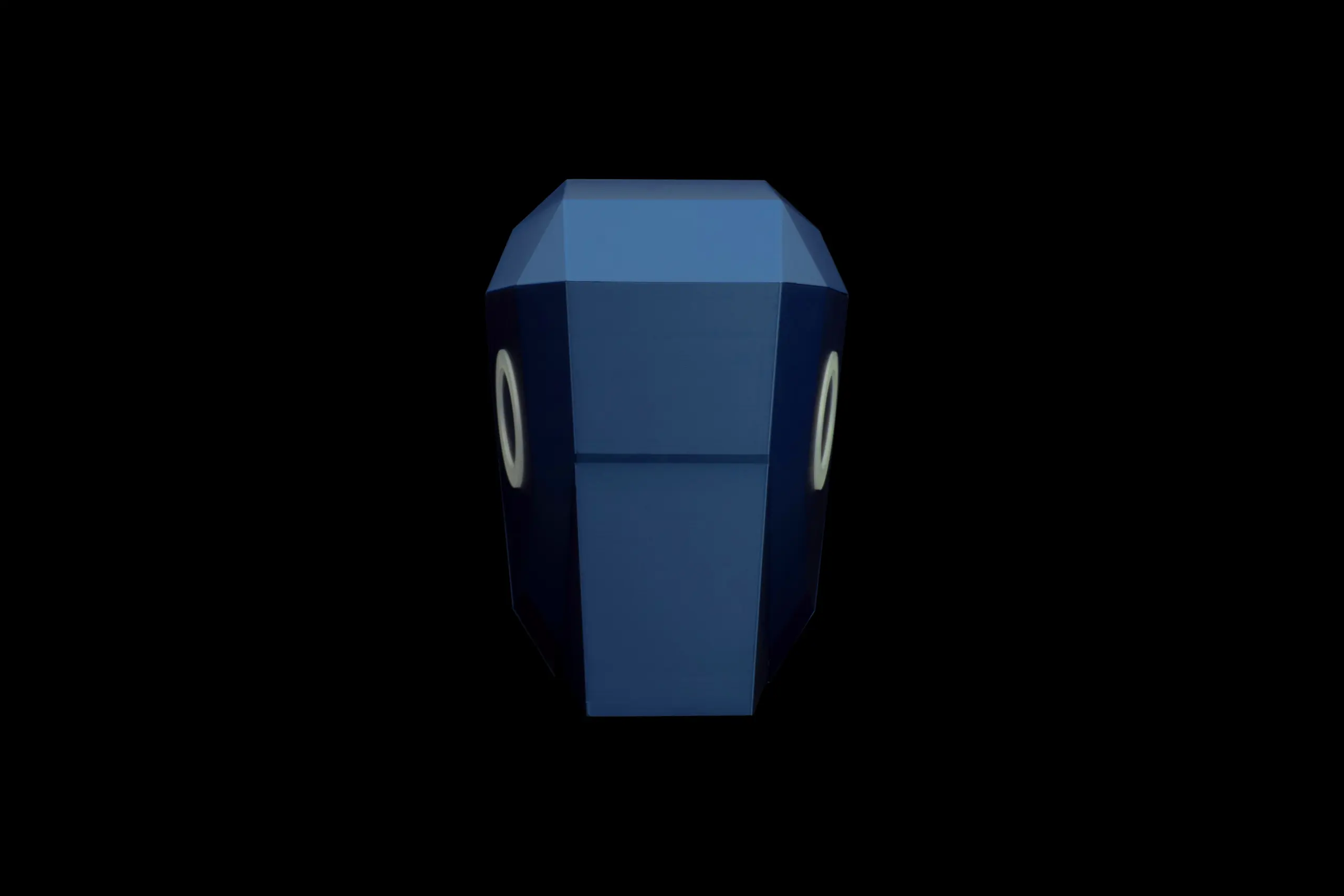
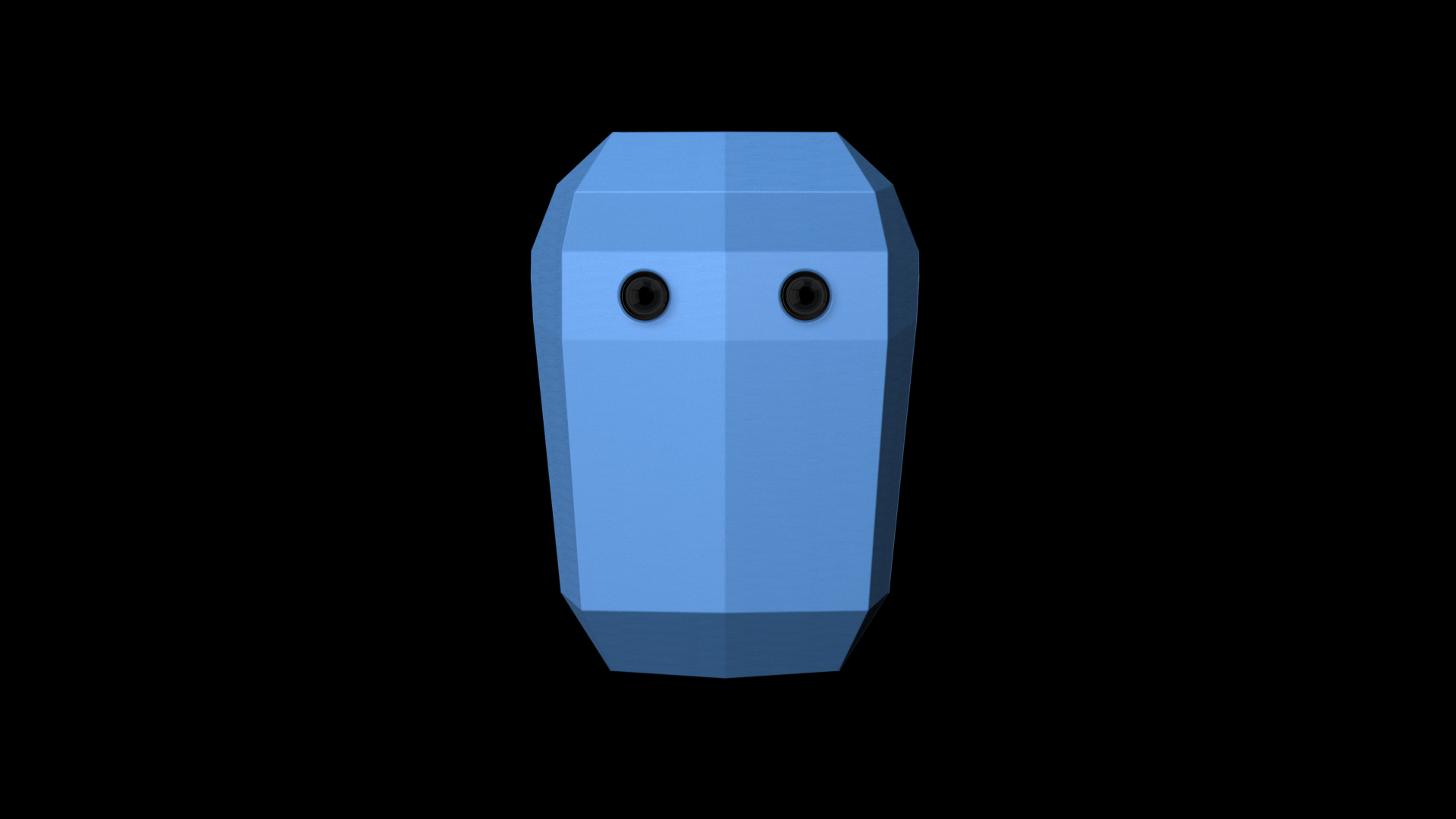
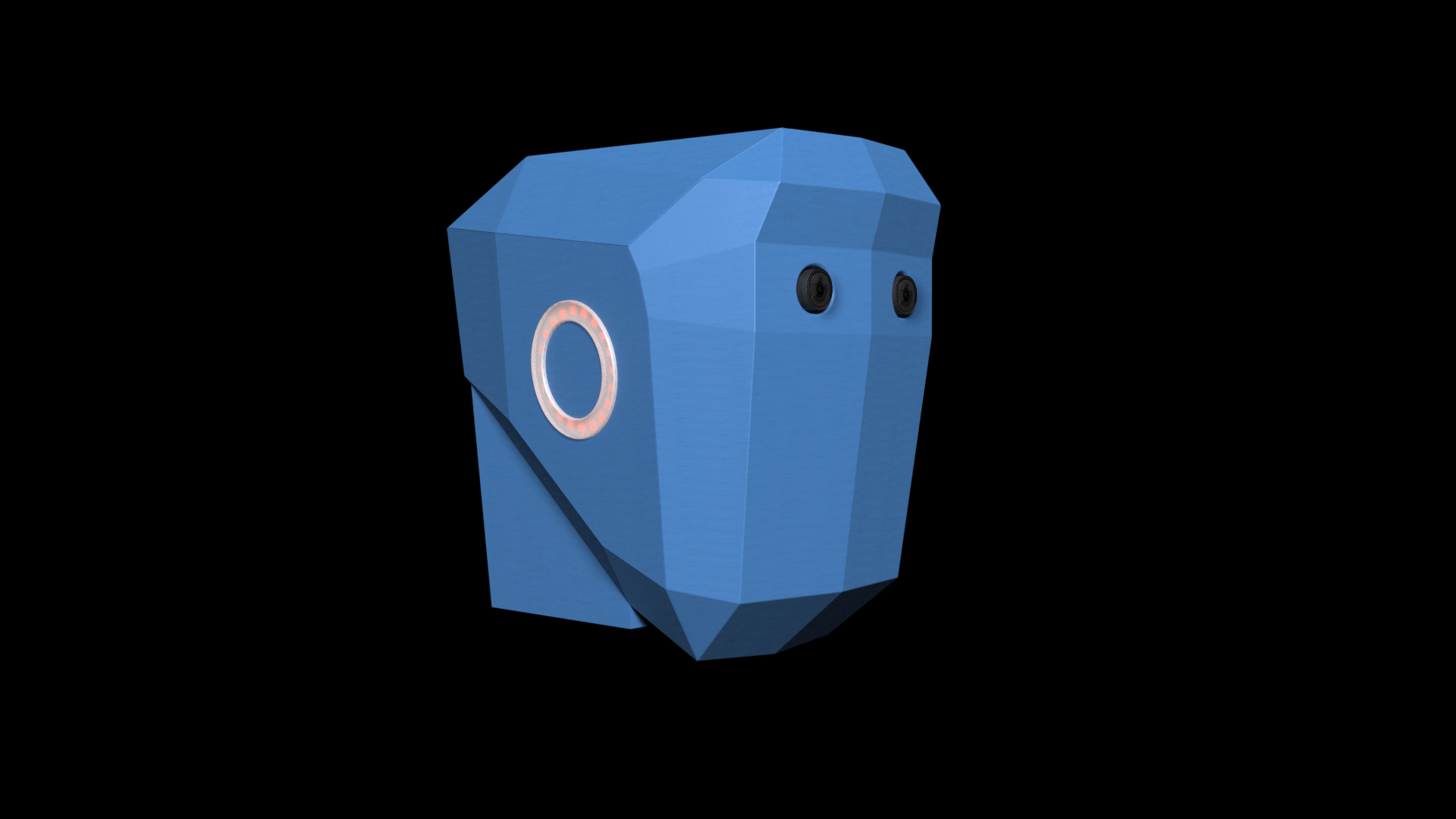
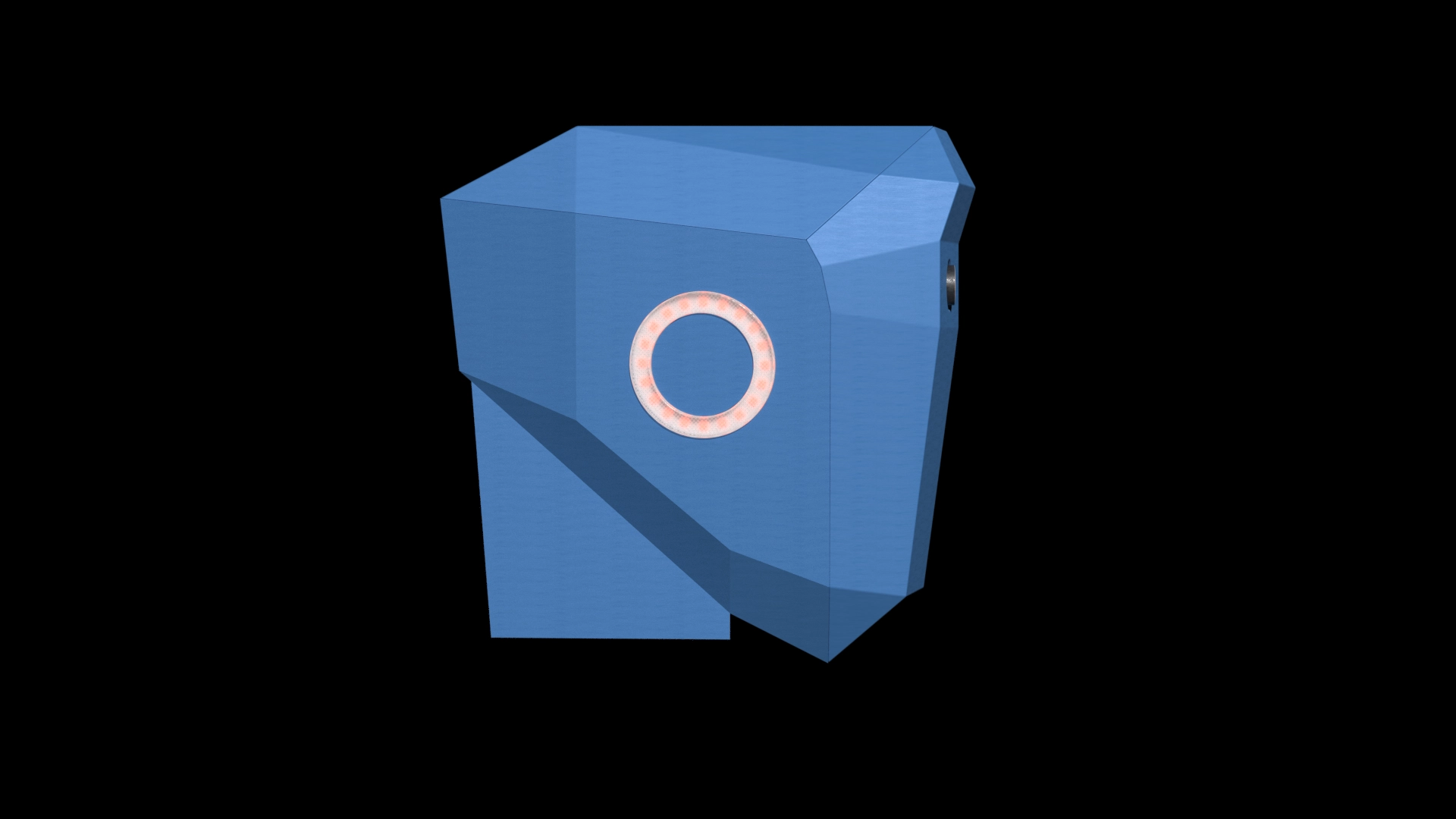
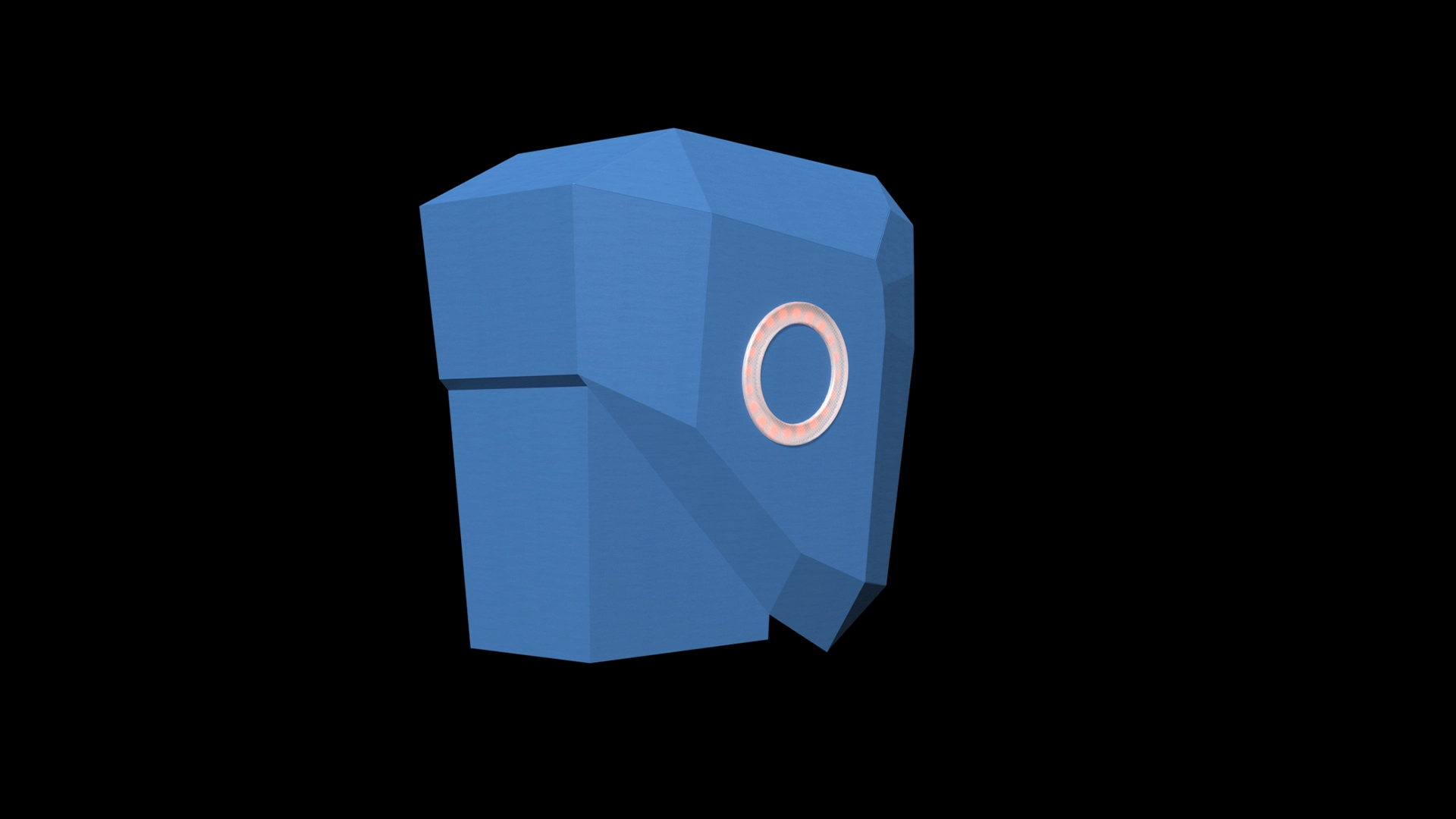
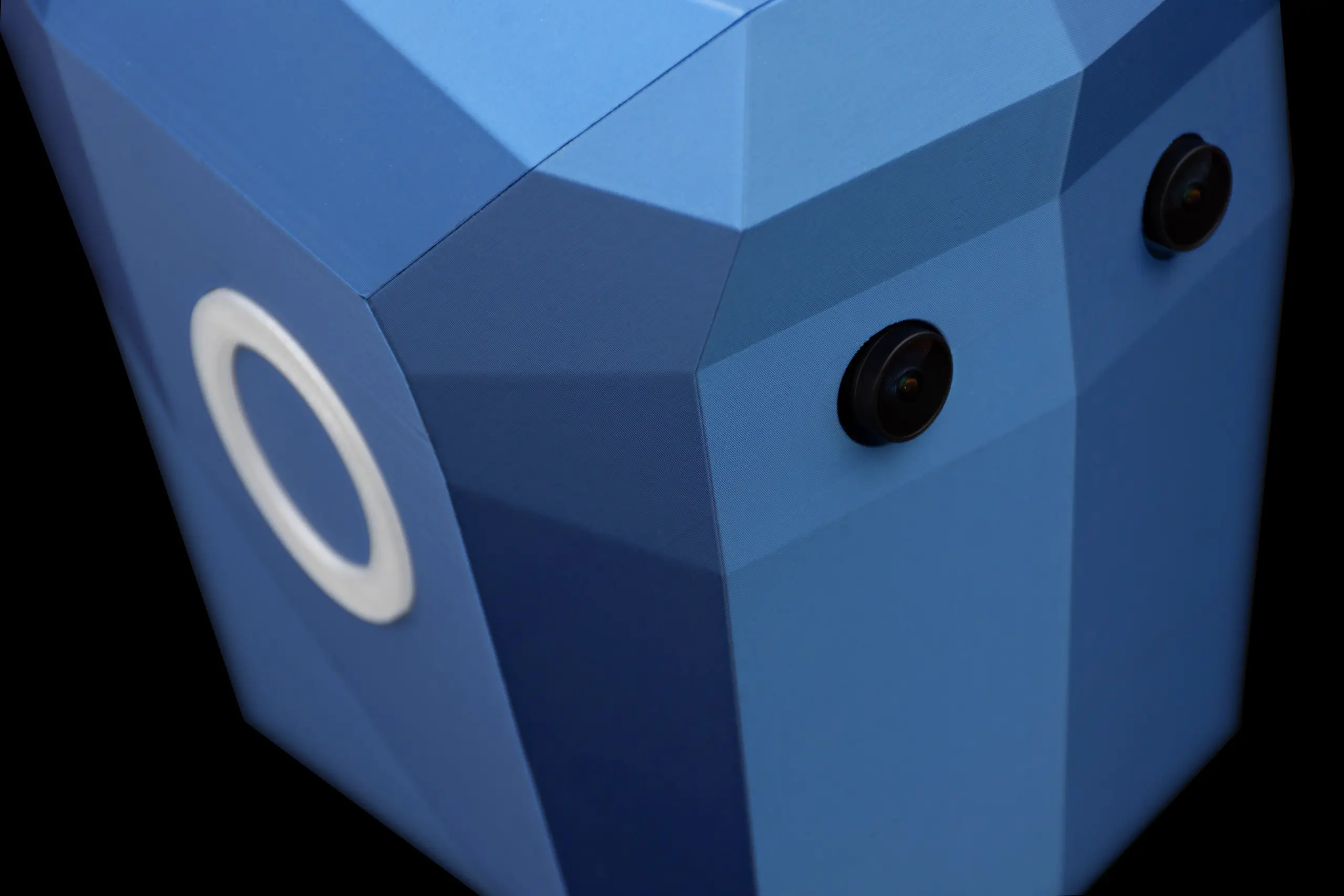
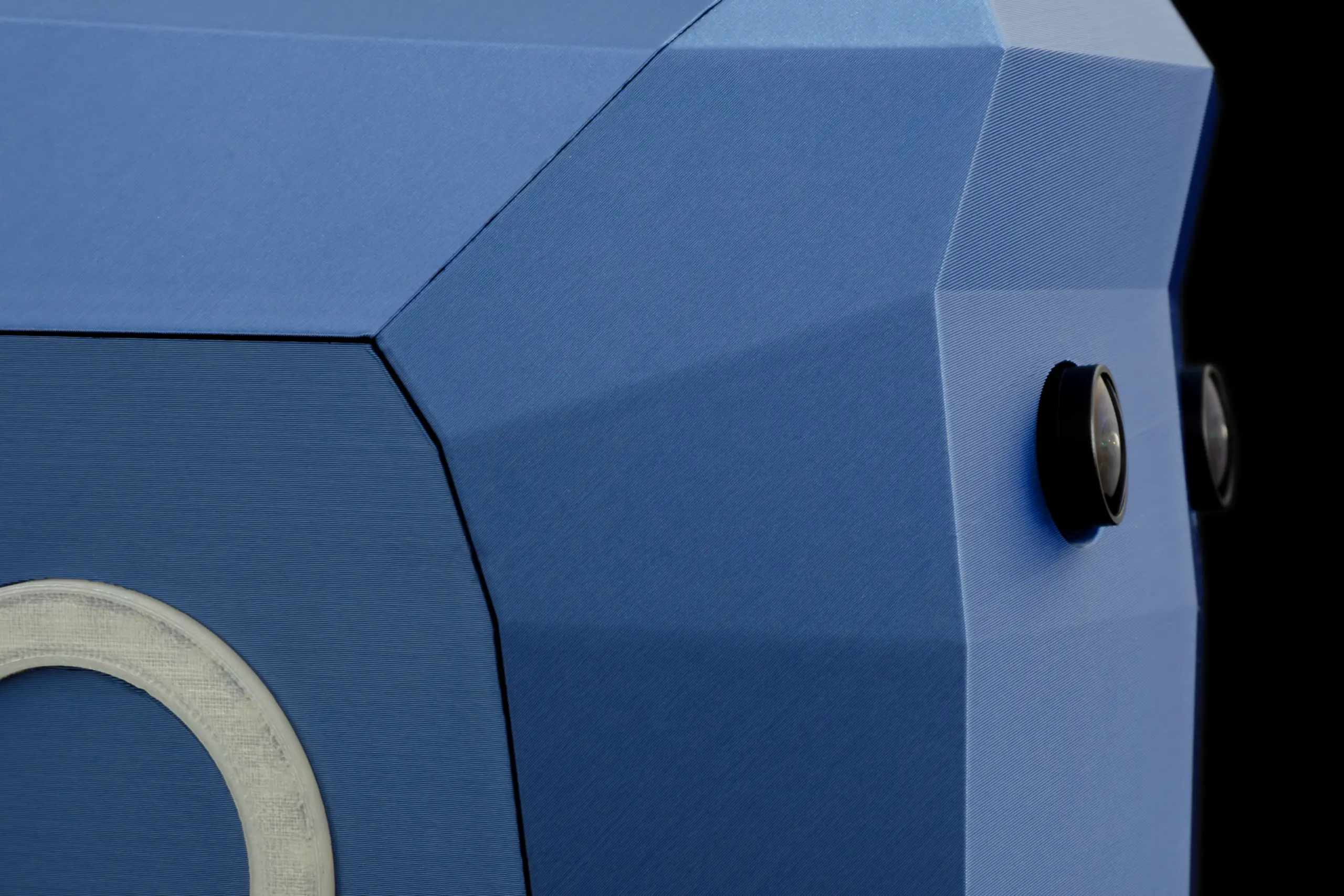
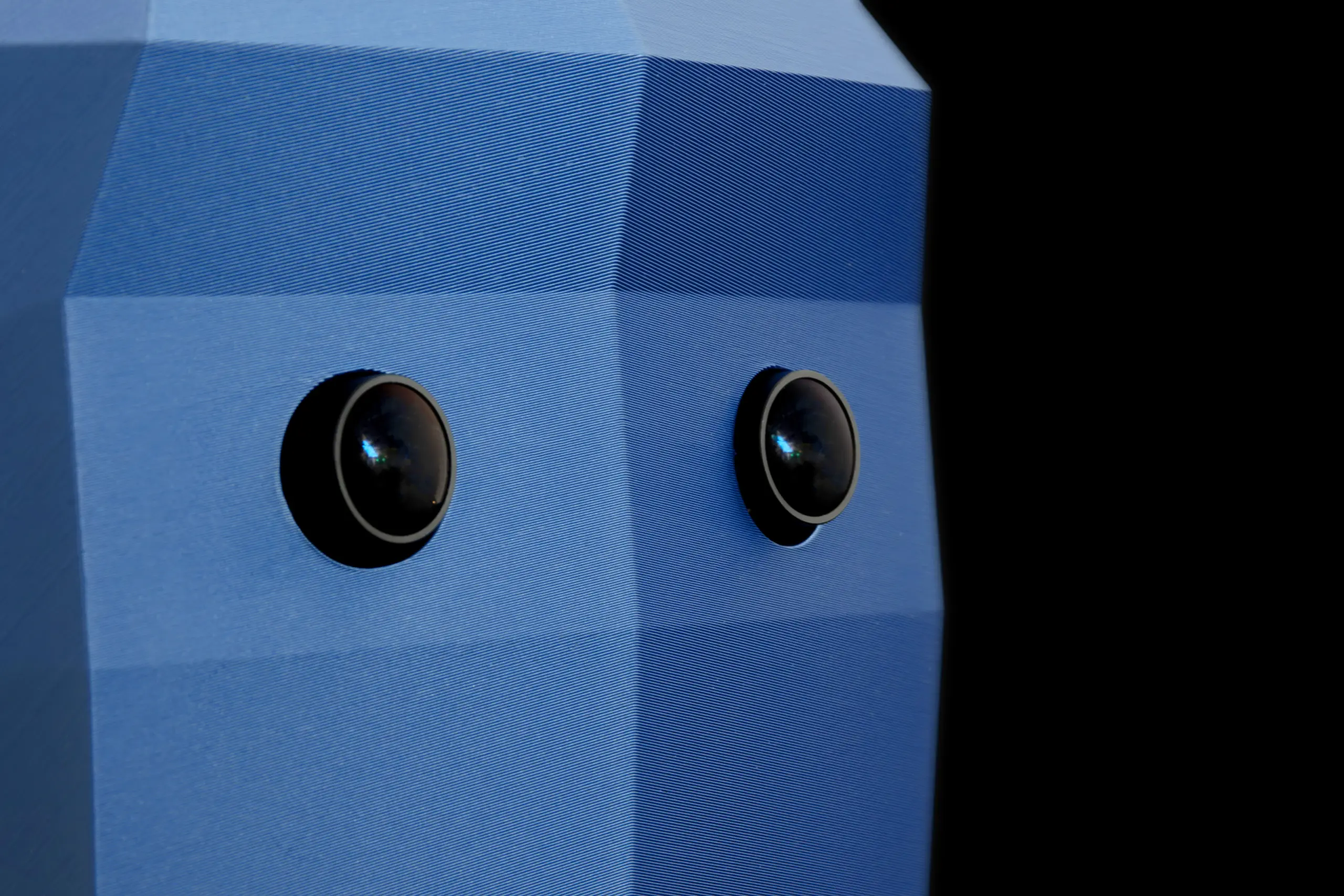
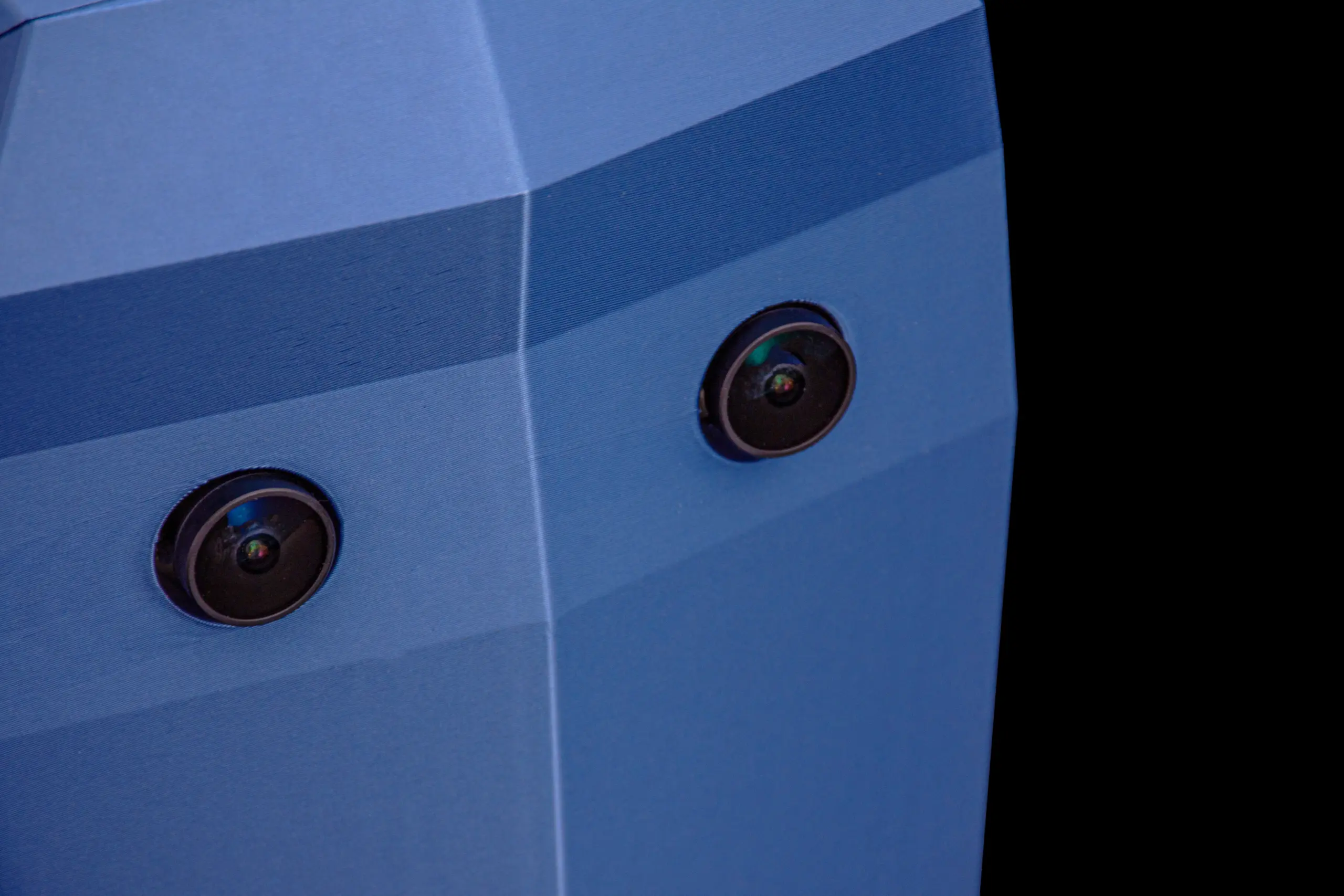
The first fully 3D printed humanoid, designed for STEM disciplines, released under an Open Source license and built using the “Build in Public” method to grow alongside people.
DANTE-1 is our first humanoid, designed to take robotics beyond the laboratory and make it a central presence in classrooms, companies and STEM pathways.
Entirely 3D printed, it was conceived as an innovative educational platform, created to combine learning, experimentation and the practical application of emerging technologies.
It is an evolving, modular and upgradeable prototype, ready to grow with new vision capabilities, advanced sensors and human–robot interaction solutions, offering an open ecosystem for developing automation, artificial intelligence and robotic design.
DANTE-1 is our first humanoid, designed to take robotics beyond the laboratory and make it a central presence in classrooms, companies and STEM pathways.
Entirely 3D printed, it was conceived as an innovative educational platform, created to combine learning, experimentation and the practical application of emerging technologies.
It is an evolving, modular and upgradeable prototype, ready to grow with new vision capabilities, advanced sensors and human–robot interaction solutions, offering an open ecosystem for developing automation, artificial intelligence and robotic design.
Before designing DANTE-1, we studied the human body. Height, arms, legs and shoulders all derive from a single parametric model:
d = k · H.
A height chosen to move naturally through spaces and workstations built for people.
Every body segment is a fraction of the overall height, derived from anthropometric data.
Reach, stability, mobility and mechanical integration: every choice is a compromise.
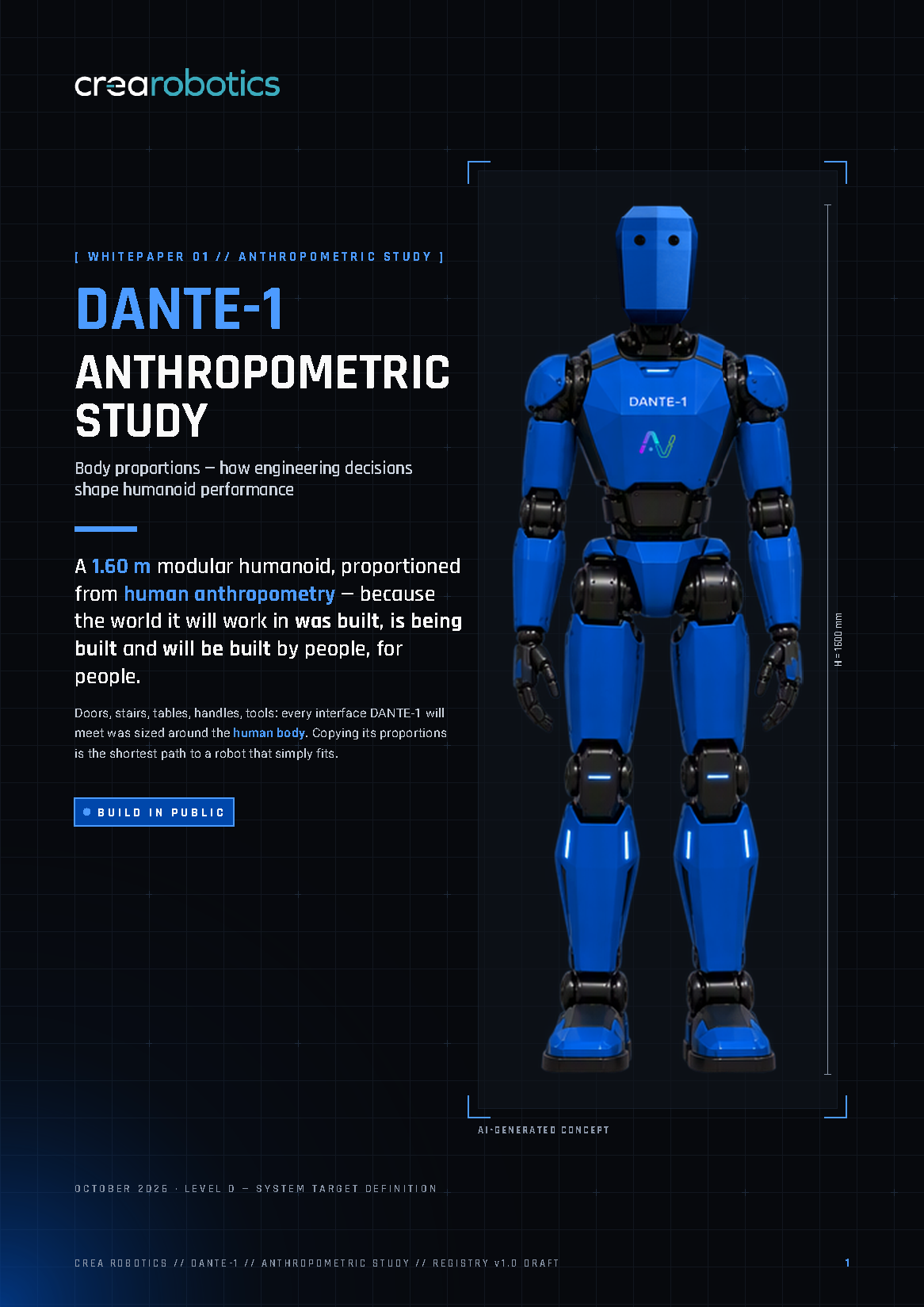
→ DANTE-1’s complete anthropometric model
→ Sources: NASA RP-1024, ANSUR II, Drillis & Contini
→ Design trade-offs and next steps
*We will send you the PDF by email. Can’t you find her? Also check Spam and Promotions.